Market Insights
Is Red Deer a Good Place to Buy a Rental Property?
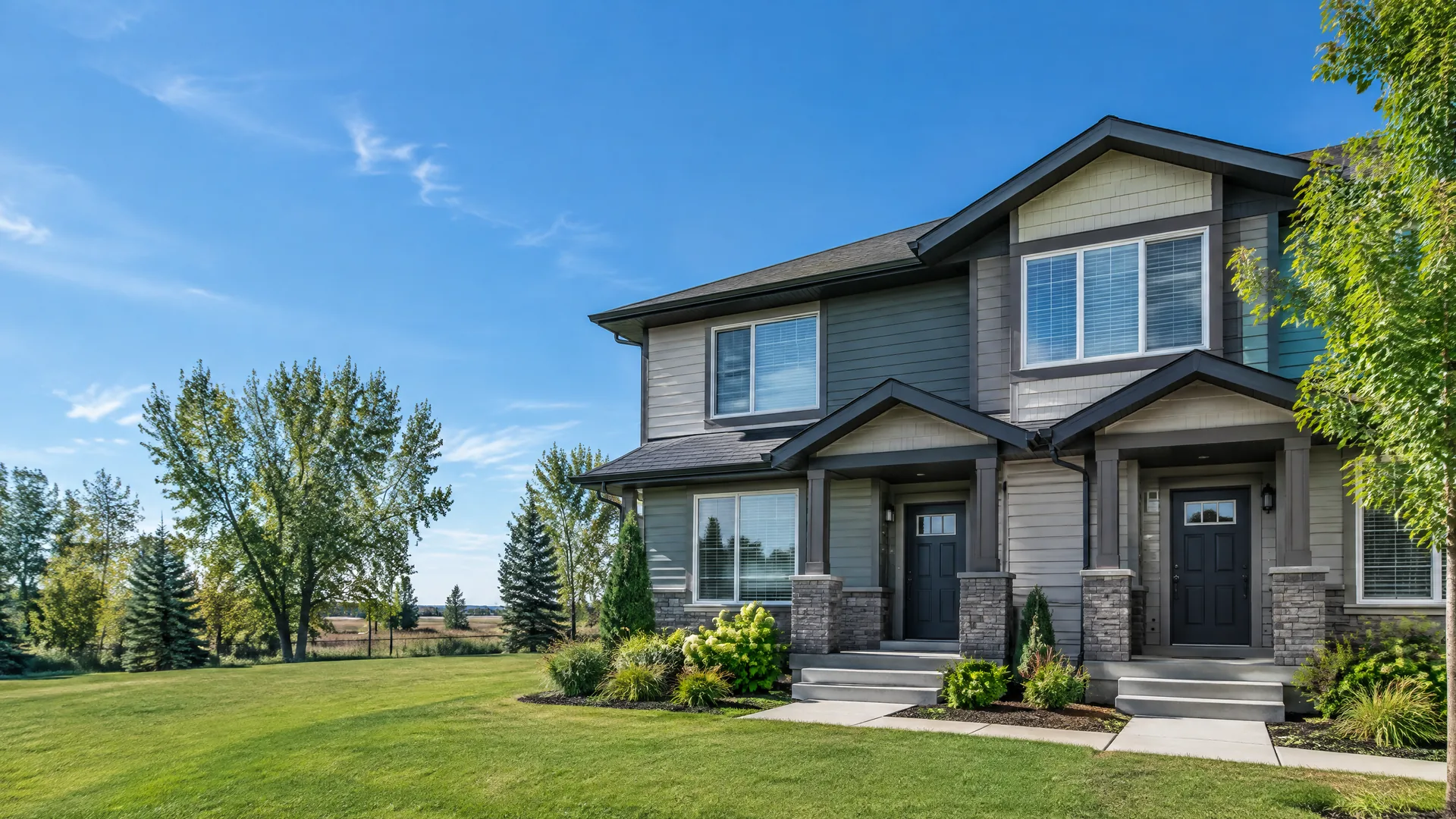
A balanced framework for assessing Red Deer rental properties, from location and carrying costs to property condition, insurance, and Alberta tenancy responsibilities.
The short answer
Red Deer can be worth considering for a rental-property purchase when a specific home, financing structure, operating-cost plan, and tenant strategy work together. It is not automatically a good investment simply because it is in Red Deer. The stronger decision is made property by property, with realistic assumptions for income, vacancy, repairs, taxes, insurance, and landlord responsibilities.
Start with the tenant fit for one location
City-level context is useful, but rental performance is shaped block by block. Before writing an offer, consider who the likely tenant is and what matters to that household: access to work, transit routes, schools, parking, outdoor space, everyday services, and the quality of competing rental homes nearby. Compare homes that are genuinely alike in unit type, size, condition, parking, storage, and utility arrangement.
An investor looking at a family-sized detached home may be solving a different tenant need than one considering a condo or townhouse. Explore Nicole’s Red Deer neighbourhood guides [blocked] to compare local housing character, recreation, school context, and nearby amenities before narrowing a search.
Match the property type to the operating model
Detached homes and duplexes may offer private entries, more parking, a yard, or flexibility in the way the space is used. They can also put more maintenance, capital-replacement, and vacancy exposure into a single property. A condominium may simplify some exterior maintenance, but adds condo fees, bylaws, reserve-fund review, insurance-deductible considerations, and possible rental restrictions.
Do not assume a condo can be rented simply because it is a residential unit. Review the bylaws, rental policies, parking allocation, pet rules, move-in requirements, and any notice obligations before conditions are removed. The same principle applies to suites, secondary entrances, and any intended use that needs municipal, condominium, lender, or insurer confirmation.
Underwrite the full carrying cost
A disciplined rental worksheet starts with the purchase price and closing costs, then adds the mortgage payment at a conservative rate, property taxes, utilities paid by the owner, condo fees where applicable, landlord insurance, property management, routine repairs, cleaning and turnover, capital replacements, and a vacancy reserve.
Avoid relying on a universal expense percentage or an optimistic advertised rent. Verify the property’s latest tax notice, utility history where available, insurance quote, condo documents, inspection findings, and comparable rental options. An assessment can be useful due diligence, but it is not a current market valuation or a forecast of rent.
Treat Alberta tenancy rules as an operating responsibility
A rental property is also an ongoing legal and service commitment. Alberta’s standard residential-tenancy rules include responsibilities around habitable premises, safety, repairs, peaceful enjoyment, written terms, security deposits, and inspection reports. A clear lease should identify rent, utility allocation, parking, occupants, repair responsibilities, insurance expectations, and permitted fees.
Before buying, review Alberta’s landlord and tenant information and make sure your planned lease and management process can be administered consistently. For example, move-in and move-out inspection reports matter when a landlord is considering security-deposit deductions. Screening should be objective, documented, and applied consistently rather than based on assumptions about a prospective tenant.
Protect the property and the plan
Condition and insurance can change the economics quickly. Order an appropriate inspection and build a repair plan for roof, envelope, HVAC, plumbing, electrical, drainage, windows, appliances, and moisture concerns. Obtain an insurance quote that clearly identifies the property as a rental before conditions are removed; an owner-occupied policy may not match the intended use.
Red Deer may suit an investor who finds a property whose location and tenant profile align, whose conservative carrying-cost model still works, and whose condition and legal obligations are fully understood. Talk with Nicole about properties that fit your rental criteria [blocked] before you make an investment offer.
This article was written by Nicole Bett, REALTOR® with Coldwell Banker OnTrack Realty. Have questions about buying, selling, or investing in Red Deer and Central Alberta? Reach out directly using the options below.