Investment Properties
Buying a Red Deer Home With a Basement Suite: Permits, Costs and Rental Potential
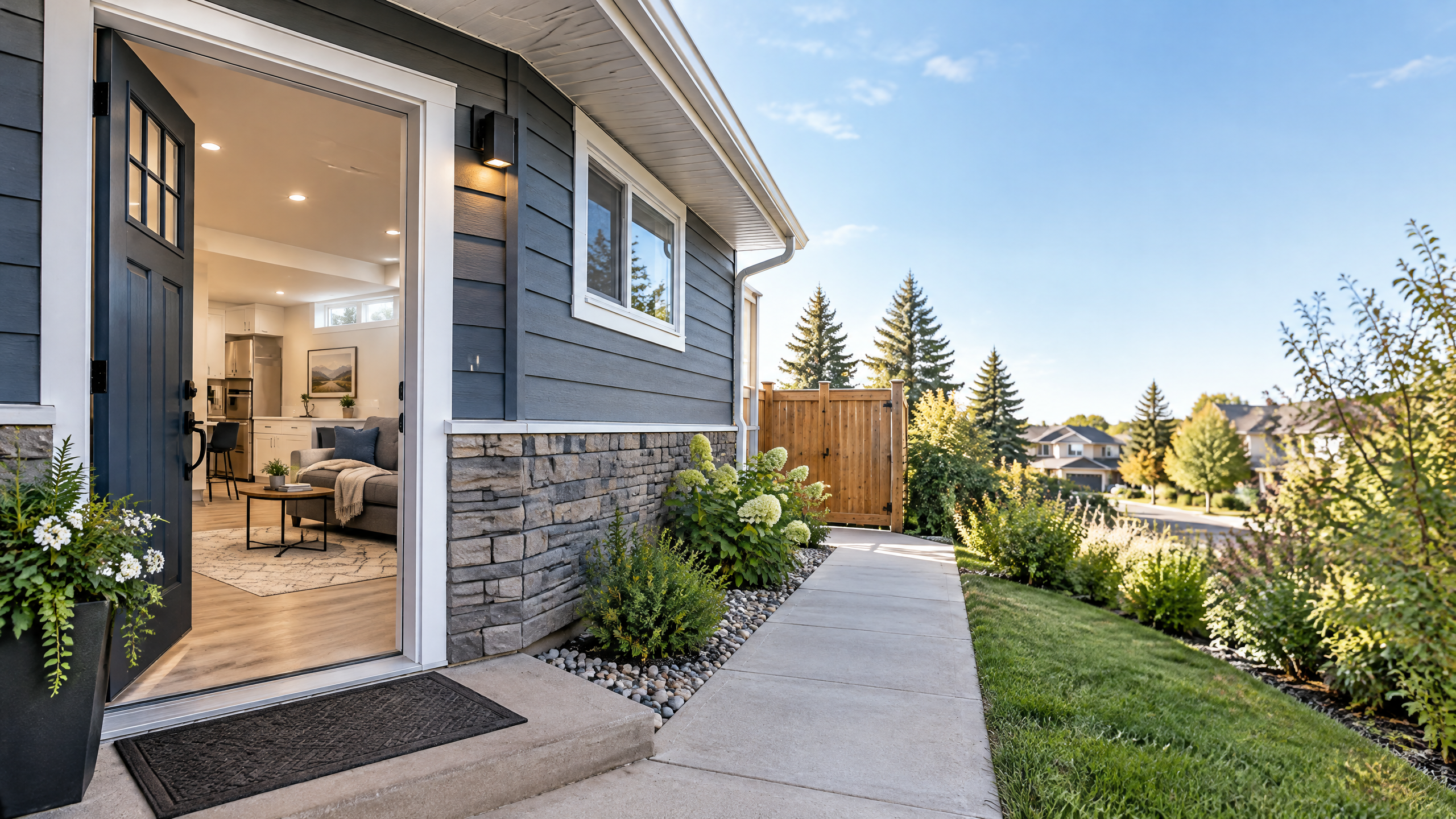
What Red Deer buyers and investors should verify about permits, parking, condition, costs, and rental assumptions before relying on a basement suite.
The direct answer
A Red Deer home with a basement suite can add another income source, but buyers should not assume that a finished basement—or a listing calling it a suite—is approved, rentable, or priced correctly. Before relying on projected rent in an offer or financing plan, verify the address, actual permits, inspection records, approved layout, parking, and exits. The property may be a sound option, but the suite needs its own due diligence.
1. Start with the address, not the marketing label
In City terminology, a House Suite is a self-contained dwelling within a primary dwelling, with both units registered on the same land title. The City’s land-use rules, neighbourhood suite capacity, and property-specific records matter more than a listing description. A web-map screen can be helpful for early research, but it is not final confirmation for a particular home.
The City of Red Deer House Suite requirements explain that development and building permits are required for a House Suite, with trade permits potentially required depending on the work. They also outline parking and application information. Treat the current City material as the starting point, then ask for written, address-specific confirmation before removing conditions.
2. Compare the permits with what is actually on site
Ask the seller for the issued Development Permit and Building Permit, approved floor and site plans, applicable electrical, gas, heating, or plumbing permits, and available inspection records. During the viewing and inspection, compare those documents with the actual unit. Check the bedroom count, entrance and exit route, parking layout, window conditions, utility setup, and any shared areas.
This is not about finding a technicality. It is about understanding what the buyer is purchasing and what may need to be corrected, upgraded, or confirmed. If documents are incomplete, make the next step a condition of the purchase instead of treating it as an after-closing project. Start your purchase due diligence with our Red Deer buying guide [blocked].
3. Budget the scope, not an internet average
There is no useful one-size-fits-all conversion price. A legitimate budget may need to include plans, municipal and safety-code permits, inspections, work on egress and alarms, fire or smoke separation, heating and ventilation, electrical and plumbing, parking or walkway work, and a contingency for conditions hidden behind finished walls.
The right question is not “what does a suite cost?” It is “what does this address require to match the approved plan and the intended use?” Build that answer from the property’s documents, contractor input, permit information, and an independent inspection. Avoid putting speculative rent into the numbers until the compliance and repair scope are understood.
4. Test the rental potential conservatively
Potential rent should be one scenario in a broader ownership calculation, not a promise. Compare likely rent with vacancy, utilities as allocated in the lease, insurance, maintenance, turnover, property tax, financing, and any work still required. If the home is already rented, request the agreement, rent record, utility allocation, and any repair history.
Red Deer location also matters. Access to daily amenities, transit or driving routes, parking, lot configuration, and neighbourhood character can affect who the space suits. Compare location factors across Red Deer communities [blocked] while keeping the address-specific permit and condition review at the centre of the decision.
5. Plan to operate the home as a landlord
A suite does not end at possession. Most residential tenancies in Alberta come with landlord responsibilities around habitability, records, deposits, and inspections. The lease should clearly set out who pays utilities, what parking is included, what spaces are shared, and how maintenance requests will be handled. Some arrangements can have different rules, so get qualified advice when the structure or occupancy is unusual.
A careful offer protects a buyer’s ability to investigate the suite before they become responsible for it. That is usually more valuable than a quick estimate of future rent.
Considering a Red Deer home with a suite? Request an investment-property review with Nicole before you write the offer.
This article is general education only. Permit status, costs, tenancy, and rental potential are property-specific; confirm them with the City and appropriate qualified professionals.
This article was written by Nicole Bett, REALTOR® with Coldwell Banker OnTrack Realty. Have questions about buying, selling, or investing in Red Deer and Central Alberta? Reach out directly using the options below.